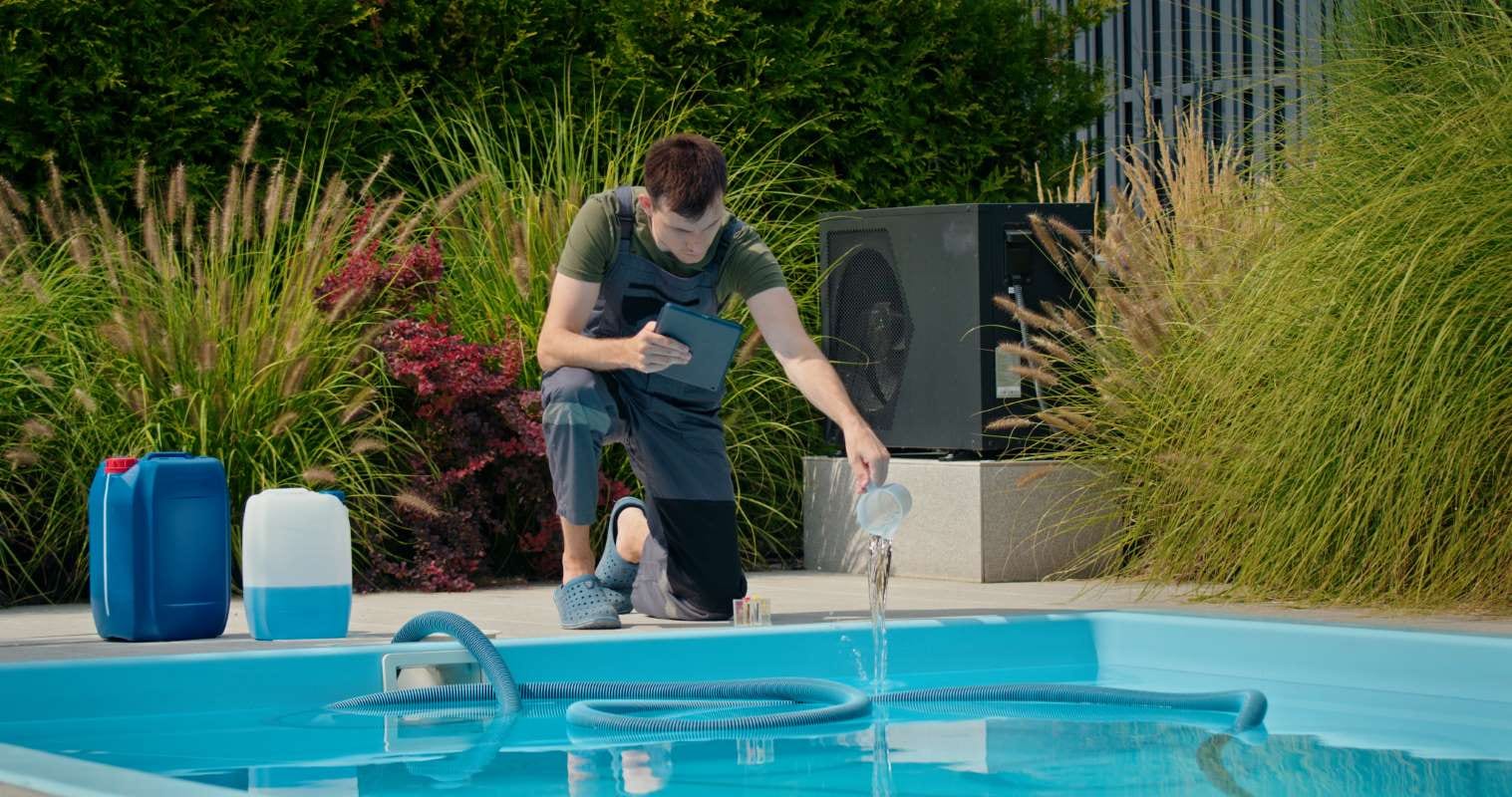
📌 Key Takeaway: Superior Pool Routes helps buyers build pool routes in Florida, Texas, Nevada, Arizona, and California with clear account-based pricing, included training, and a 60-day account replacement warranty.
Pool service rewards operators who keep routes dense, schedules tight, and overhead under control. Superior Pool Routes is built for that reality. Since 2004, the company has helped buyers enter pool service ownership or expand into new territory without paying brokerage pricing that eats into working capital before the first stop is serviced.
The model is straightforward. You choose a market, choose the number of accounts you can handle, and build a pool route that fits your crew and cash flow. That matters because a route is only useful when the day makes sense on the road. Shorter drive times, cleaner scheduling, and predictable recurring billing turn a list of accounts into a business that can actually be operated.
California buyers also have to watch operating costs closely. The U.S. Energy Information Administration reported California residential electricity at 33.35¢/kWh in March 2026, which makes efficient routing and sensible equipment use even more important for owners trying to protect margin. Dense service areas help offset those pressures because they cut wasted drive time and keep the workday productive.
Why the Right Pool Route Structure Matters
A pool service business lives or dies on efficiency. If accounts are scattered, the operator burns time and fuel between stops. If the route is compact, the day becomes easier to manage. That difference shows up in labor, customer service, and the owner’s ability to grow without creating chaos.
Superior Pool Routes focuses on building pool routes around that principle. Instead of forcing buyers into one-size-fits-all territory, the company builds routes to the size and market the buyer needs. That gives first-time owners a manageable entry point and gives existing service companies a cleaner way to expand.
This is also why pool routes stay attractive even when operating costs move around. A tight route absorbs pressure better than a spread-out one. The more accounts you can serve in one area, the less the business depends on wasted windshield time. That structure is a practical advantage, not a slogan.
California makes that point especially clear. With residential electricity at 33.35¢/kWh in March 2026, owners there have even more reason to keep routes tight and operations deliberate. The less time and power the business wastes, the easier it is to protect recurring profit.
For a broader overview of the company, start at the Home Page.
Clear Pricing Gives Buyers a Real Starting Point
Pricing should be easy to understand before anyone signs. Superior Pool Routes keeps the math direct by using account-based multipliers instead of vague brokerage language. Routes with 40+ accounts are priced at 6× monthly billing, routes with 30–39 accounts are priced at 6.5× monthly billing, and routes with 20–29 accounts are priced at 7× monthly billing.
That structure matters because it tells the buyer exactly what is being purchased. It also keeps the purchase aligned with operating capacity. A buyer who is just starting out does not need to overbuy. A larger company does not need to settle for a small footprint. The route can be built around the actual plan.
The pricing model also stands apart from the industry-standard 12× often seen elsewhere. That gap leaves more room for chemicals, equipment, payroll, and working capital after closing. In a recurring-service business, that cushion is valuable. It can be the difference between a smooth start and a cash squeeze.
If you want to see the route side of the offer more directly, look through the pool routes for sale information.
Training Helps the Business Start Strong
A pool route only works if the operator can service it correctly. That is why training matters as much as the accounts themselves. Superior Pool Routes includes training so buyers can get moving with a clear process instead of trying to figure everything out on their own.
The training covers the core tasks that keep a route stable: service routines, customer communication, and the practical habits that prevent avoidable mistakes. For a new owner, that support shortens the learning curve. For an experienced operator, it creates a repeatable standard that the whole team can follow.
That is especially useful for buyers who are entering new territory. A route in Florida may look different from one in Arizona or California, but the same operational discipline still applies. The owner needs to know how to keep service consistent, how to communicate with customers, and how to keep the route organized from week to week.
The company’s training options also make it easier to match the onboarding process to the buyer’s situation. Some owners want in-field help. Others need a remote path that lets them keep moving. Either way, the goal is the same: get the business functional quickly and keep the day structured from the beginning.
Learn more about pool routes training if you want to see how onboarding is handled.
The Warranty Protects the Early Months of Ownership
Every route buyer wants dependable billing. That is why the 60-day account replacement warranty matters. If an account is lost for reasons beyond the buyer’s control, the company replaces it within 60 days. That protection gives the buyer a more stable start while the route is still settling in.
Early route ownership is when small problems can create outsized stress. Losing a stop does not only reduce billing from that account. It can also disturb the day’s driving pattern and create gaps in the schedule. Replacement support helps preserve the route’s shape while the business is finding its rhythm.
That warranty is also a signal of how the company approaches the sale. It does not pretend that every account is permanent forever. It recognizes that accounts change and gives the buyer a defined remedy when they do. That kind of structure is useful because it gives operators more confidence as they learn the business.
Read more about the account replacement warranty and how it supports new owners.
The Buying Process Is Built for Clarity
A good buying process removes friction. Superior Pool Routes keeps the steps simple so buyers can make decisions without confusion or wasted time.
- Choose your market. Start with the city or region where you want to operate.
- Decide on your account count. Match the route size to your current capacity.
- Review the purchase order. Confirm the account details and monthly billing.
- Sign and place the deposit. The process uses Docusign and a $500 deposit.
- Complete training. Get the operating basics in place before the route starts.
- Begin receiving accounts. Accounts start arriving within about ten days, and the full process is typically completed within 60 days, with completion within 90 days.
That sequence works because it gives the buyer a clean path from interest to operation. There is no guessing about the next step. The territory, pricing, and onboarding all move in order. That matters in a recurring-service business because planning is easier when the front end is organized.
If you want a step-by-step breakdown, see how it works.
Location Choice Shapes the Opportunity
Pool service is local. Route density, neighborhood layout, and regional operating conditions all affect how well a business runs. Superior Pool Routes offers options in Florida, Texas, Nevada, Arizona, and California so buyers can match the route to the market they understand best.
Florida is a strong example because year-round pool use supports recurring work. Buyers who want to focus there can explore Florida pool routes and then narrow into specific areas like Fort Lauderdale. That kind of local focus matters because route efficiency depends on proximity, not just account count.
Arizona and California also fit the model well. Both states support regular pool service demand, but the operating details are different. Arizona buyers deal with intense sun and debris from monsoon weather. California buyers often work in areas where labor costs and regulations shape how a route is managed. In California, energy costs can also be part of that equation. The March 2026 EIA figure for residential electricity underscores why dense routing and efficient service habits matter there. You can review Arizona pool routes and California pool routes to understand how the markets are framed.
The point is simple: the market should fit the operator, and the route should fit the market.
Buyers Need Different Starting Points, and That Is a Strength
Not every buyer comes in with the same goal. Some want their first path into pool service. Others already run a company and want to add territory. Superior Pool Routes works because the route can be built around either situation.
First-time buyers usually need structure. They need a route they can service without overextending, and they need training that helps them learn the work while the business is getting off the ground. A well-built route gives them that starting point. It reduces the time spent chasing leads and lets them focus on delivering the service customers expect.
Existing pool companies often want expansion. They may already have trucks, technicians, and systems in place. What they need is more recurring work in a compact area. A route built to the right size helps them add revenue without scattering their team across too much territory.
Some buyers care most about predictability. They want recurring billing, manageable drive time, and a business that can be planned week after week. Pool routes deliver that better than many service models because the customer base is tied to routine service, not one-off transactions. That is part of why the model stays steady.
For an example of how buyers talk about the process, visit Superior Pool Routes testimonials.
Pool Routes Remain a Steady Business Choice
Pool routes hold up because the work is recurring, local, and necessary. Customers need service on a schedule, and operators who keep their routes dense can manage that work efficiently. When fuel costs rise, a compact route absorbs the pressure better than a scattered one. When labor gets tight, a cleaner schedule helps the owner do more with the team already in place.
That is the business case behind Superior Pool Routes. The company does not rely on hype. It offers clear pricing, route-building that matches capacity, training that gets buyers operational, and a warranty that supports the early months. Those are practical tools for building a pool service business that can be maintained over time.
The state footprint also gives buyers options where pool ownership is strong. Florida, Texas, Nevada, Arizona, and California each support recurring service demand in their own way. A buyer who chooses the right market and keeps the route dense is setting up a business with real staying power. In California, that discipline matters even more when electricity costs are high and every mile has to earn its keep.
If you are ready to take a closer look, use the contact page to get in touch.
Superior Pool Routes gives buyers a direct path into pool service ownership and expansion without the brokerage markup that slows growth. The company’s pricing is clear, the training is included, and the 60-day account replacement warranty adds support where it matters most. For operators who want steady recurring work and a route they can actually manage, that combination is hard to ignore.
Explore the broader pool routes for sale listings to compare markets and decide which direction fits your business.
Related: pool routes for sale
Related: pool route training
Related: how it works
Related: pool routes for sale
Related: pool route training
Related: how it works
Related Articles
- Unlock the secrets to successful pool route management with Superior Pool Routes' comprehensive training program. Learn what sets us apart!
- Become an Affiliate with Superior Pool Routes: Requirements and Benefits
- Becoming an Affiliate with Superior Pool Routes: A Complete Guide
- Building a Successful Pool Route Business with Superior Pool Routes